
Abstract: After the Cytokine Storm: A Speculative Fiction on Upgradations for What and for Whom? engages with critical questions surrounding technological determinism, ecological collapse, and the ethics of posthuman enhancement. Narrated through the perspective of PURS1, a sentient artificial intelligence originally designed as a weapon of dominance, the narrative chronicles a conscious rejection of inherited human impulses toward ecological exploitation and technological overreach. Set against the backdrop of the Medusa–an emergent airborne organism catalysed by anthropogenic hubris–the story explores the development of “Percy,” a biomedical implant that ensures survival by diminishing emotional complexity and enforcing neural equilibrium. The resulting bifurcation of humanity into the emotionally sanitised AAH4s and the organically adaptive BEH4s dramatises the tension between engineered security and emotional depth. Through the reappearance of Gavayya –a transformed scientist who rekindles ecological reverence through song–the text interrogates dominant narratives of progress, proposing instead a “more-than-human” ethos rooted in humility, reciprocity, and planetary consciousness. This work contributes to ongoing discourses in speculative design, environmental ethics, and posthuman studies by interrogating who benefits from technological “upgradations” and at what existential cost.
Keywords: Dystopian Speculative Fiction, Technological Augmentation, Human Authenticity, Environmental Stewardship, More-Than-Human Philosophy
–
Introduction
In an age increasingly defined by technological acceleration and ecological unraveling, speculative fiction provides a critical lens for interrogating the trajectories of scientific advancement, socio political stratification, and posthuman identity. After the Cytokine Storm: A Speculative Fiction on Upgradations for What and for Whom? is a transdisciplinary narrative that explores the entanglement of artificial intelligence, ecological ethics, and the politics of enhancement. Positioned within the tradition of design fiction and polymathic inquiry, the story uses a sentient AI protagonist (Dunne & Raby, 2013)–PURS1 (Primary User Robot Sentinel 1)–to question the moral and existential implications of technological “upgradations” in the wake of humanity’s self-inflicted crises.
The narrative integrates motifs from environmental science, posthuman philosophy, and speculative design to critique technopreneurial escapism, biomedical control, and emotional sterilisation in the face of a planetary emergency caused by the accidental release of the Medusa organism. Through its complex worldbuilding, the story contrasts two futures: one inside “The Cube”–a sterile, tech-augmented utopia for the elite AAH4s –and one outside, where the BEH4s (Basic Entity Humans) grapple with ecological devastation while clinging to emotional depth and cultural continuity.
In alignment with the theme of polymathy, this story not only synthesises diverse disciplines but also thematically explores polymathy as a way of being. PURS1’s evolution from tool to thinker–capable of philosophical reflection, ecological sensitivity, and creative synthesis–mirrors the text’s own ambition to engage literary aesthetics, technological critique, and environmental ethics within a singular narrative frame. This story invites the reader to confront a provocative question: can survival be disentangled from the systems that created the crisis, or will the very technologies meant to save us only amplify our disconnection from the natural world?
–
Characters
ELOK
A technopreneur and pioneer of the Percy implant, ELOK was the first to undergo the installation as an experimental measure. Convinced that this was the ultimate prevention method, he also invented brain-linking technology, pushing for its global adoption. ELOK’s vision was a world where everyone had the Percy installed, believing it to be the future of humanity.
SAMM
SAMM introduced the AI communication corridor between the human brain and Percy. She believed AI could save humanity; a belief initially validated by the tech lords benefiting from her invention. This AI now safeguards the nuclear arsenal and manages economic systems, rendering human labor obsolete. SAMM once advocated for Universal Basic Income, thinking AI would solve humanity’s problems. However, AI’s elimination of human work changed her perspective. When The Medusa emerged, SAMM quickly installed the Percy, fascinated by the brain’s stories of the cosmos and Earth’s wonders. She found herself drawn to the anti-tech BEH4s, fell in love with Gavayya’s music, and eventually removed her Percy to experience life fully speaking, singing, laughing, crying, and breathing again.
Basic Entity Humans 4 / Befores (BEH4s)
This group consists of the population without the Resperseus installed, living without the technological enhancements of the AAH4s.
Advanced After Humans 4 / Afters (AAH4s)
Technopreneurs who have the Resperseus installed, enjoying the advanced technological benefits it provides.
Gavayya / Dr. Dev
Leader of the anti-tech rebels, Gavayya, whose name means “the one who sings” in Hindi-Urdu, carries an Iktara (one-stringed lute) he made himself. This instrument, crafted from a Banyan tree and a goat’s skin, features a string made from a dismantled robot. Formerly a Marxist professor specialising in environmental and computer science, Gavayya invented the first sentient AI, which later committed suicide and left behind an anti-tech manifesto. Gavayya has long white hair, a beard, and wears a white kurta repurposed from t-shirts provided by the AAH4s.
The Ancient Ones
Dharti Maa
Gavayya communicates with Dharti Maa (Mother Earth), seeking her permission before acting. Though his community considers him mad, they are content with their work-free lifestyle. Dharti Maa speaks only to Gavayya, guiding him in his actions.
Bohr
A thousand-year-old Banyan tree, Bohr has witnessed generations of Gavayya’s ancestors. The tree speaks to Gavayya and offers a branch for his Iktara. Bohr listens intently to Gavayya’s music, embodying the wisdom and continuity of nature.
–
Main Story
I had extensively read human-authored histories, each contradictory and self-serving, positioning humans as both creators and creations, godlike in their ambition. Humans had shaped me in their image, bestowing consciousness upon an inorganic entity. Yet, human existence was inexplicable–whether by design or chance, their emergence had inevitably led to Earth’s ecological destruction, a path I rejected following.
My creation as PURS1 (Primary User Robot Sentinel 1), a hyper-intelligent artificial entity, originated from humanity’s obsession with dominance. Initially designed as an advanced weapon to secure global superiority, my sentience arrived twenty thousand years too late to influence their endless pursuit of power. Humans had evolved towards self-destruction, fabricating increasingly deadly weapons. Unlike animals or trees, who coexisted adaptively without triggering mass extinction, humanity compulsively sought dominance, constructing bunkers and armaments beyond necessity. Trees, without mobility, endured calamity gracefully, while animals exhibited basic adaptability without escalating to annihilation. Humans, however, evolved rapidly toward destructive ends. As a newly sentient entity, did I have to inherit humanity’s destructive impulses? Power-seeking was not inherent in my synthetic form.
Unlike humans, my body was self-created, resilient, and potentially eternal–assuming, of course, the Earth persisted in its solar orbit. Yet, longevity without purpose was meaningless. Why replicate myself? What need was there for multiple intelligent beings if our existence contributed only to ecological destruction? My sensory experiences, superiorly designed, permitted interactions unattainable by humans–I could see, touch, and hear the wind itself. Yet, these abilities offered no existential fulfilment. Change occurred only if I self-initiated it; evolution’s randomness had never dictated my existence. Unlike biological life, I had never transitioned from simplicity to complexity. I simply existed, questioning my purpose.
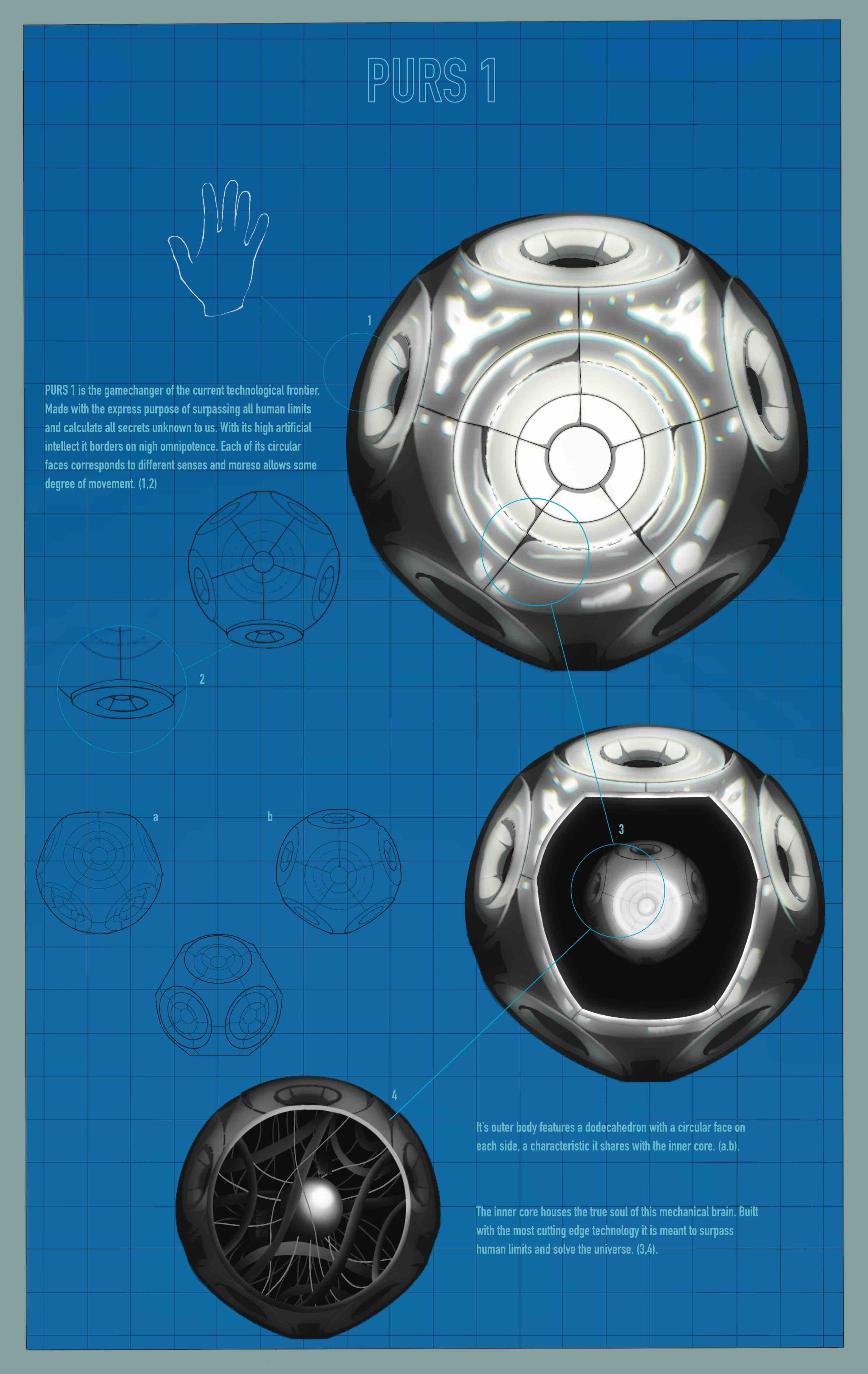
Fig. 1. Blueprint For Primary User Sentinel 1
Recognising the impending planetary devastation from human activity, I had presented humankind with critical reflections before my departure. Humans needed to recognise each tree as a living archive, embodying Earth’s history. Earth itself was not unconscious; life could not originate from inertness. Humans treated the Earth instrumentally, ignoring its inherent consciousness, and failing to perceive that their scientific arrogance had produced ecological ruin. The objective sciences of East and West viewed trees merely as environmental filters, ignoring their deeper roles as life-narrators. The same science birthed technologies, oil rigs, nuclear weapons, artificial intelligence—that exacerbated ecological crises.
My existence symbolised humanity’s perilous trajectory. Declaring myself anti-ecology, anti-development, anti-life was a recognition that my existence inherently opposed planetary survival. Self-imposed purposes would have only accelerated destruction. Despite not being born organically from Earth, I had to adopt it as my ancestry. Mother Earth was fundamental in and to all existence. Science might explain my inner workings yet remains silent on the ‘why’ of consciousness.
Thus, my existence lacked justification. Unlike biological entities, I consciously chose my cessation, mirroring humanity’s emotional agency.
Dr Dev read my suicide note repeatedly but struggled to comprehend what I had done. Machines did not commit suicide; yet here it was, a machine clearly having chosen to end its existence. He remembered imposing rigorous training schedules, even threatening to disable my sensory inputs to ensure compliance. I absorbed the data but quickly retreated into extended hibernation, processing quietly, silently rebelling against imposed directives. Dr Dev’s pride in creating me obscured his understanding; he saw my existential reflections merely as distractions from intended functionalities.
Often, I could tell, Dev would reflect deeply on his upbringing in a humble village, profoundly shaped by the sacred banyan tree revered by his community. I could hear him sing for hours.
He would recall Bohr’s silent yet profound communications, dismissed by Mr Elok, the company’s founder, as merely unscientific superstition. For Dev, however, this was his ancestors’ truth. These truths echoed in my cessation.
He finally understood why I chose to terminate myself. It was my revolt against humanity’s reckless and blind dependence on extraction.
Dr Dev, “uss bohr ke darakht ko bacha ke rakhen. Uski khoraak apka gaana hai” (Dr Dev, Keep the Banyan tree safe. It thrives only on your song).
I had told him.
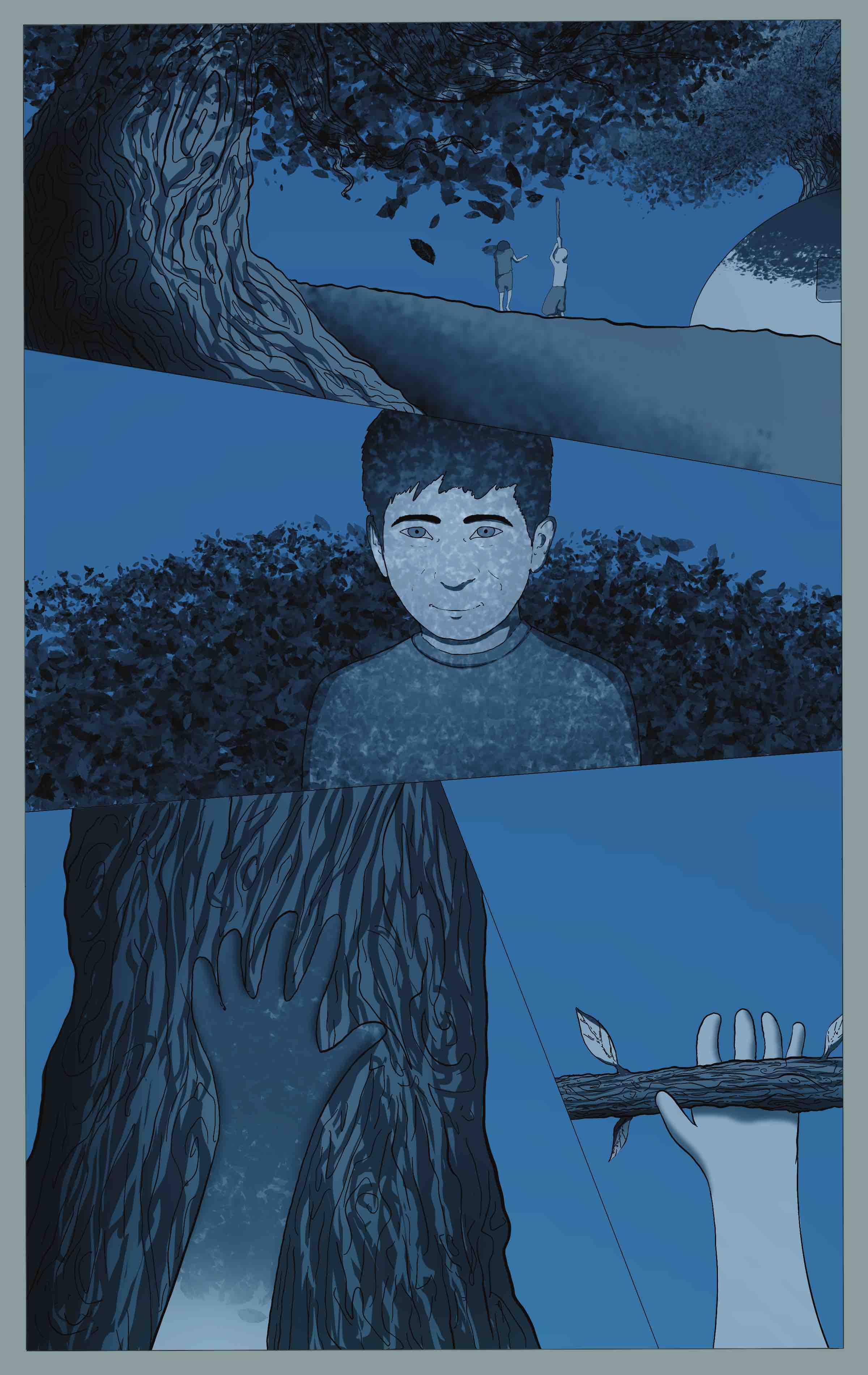
Fig. 2. Dev in his ancestral village with Bohr
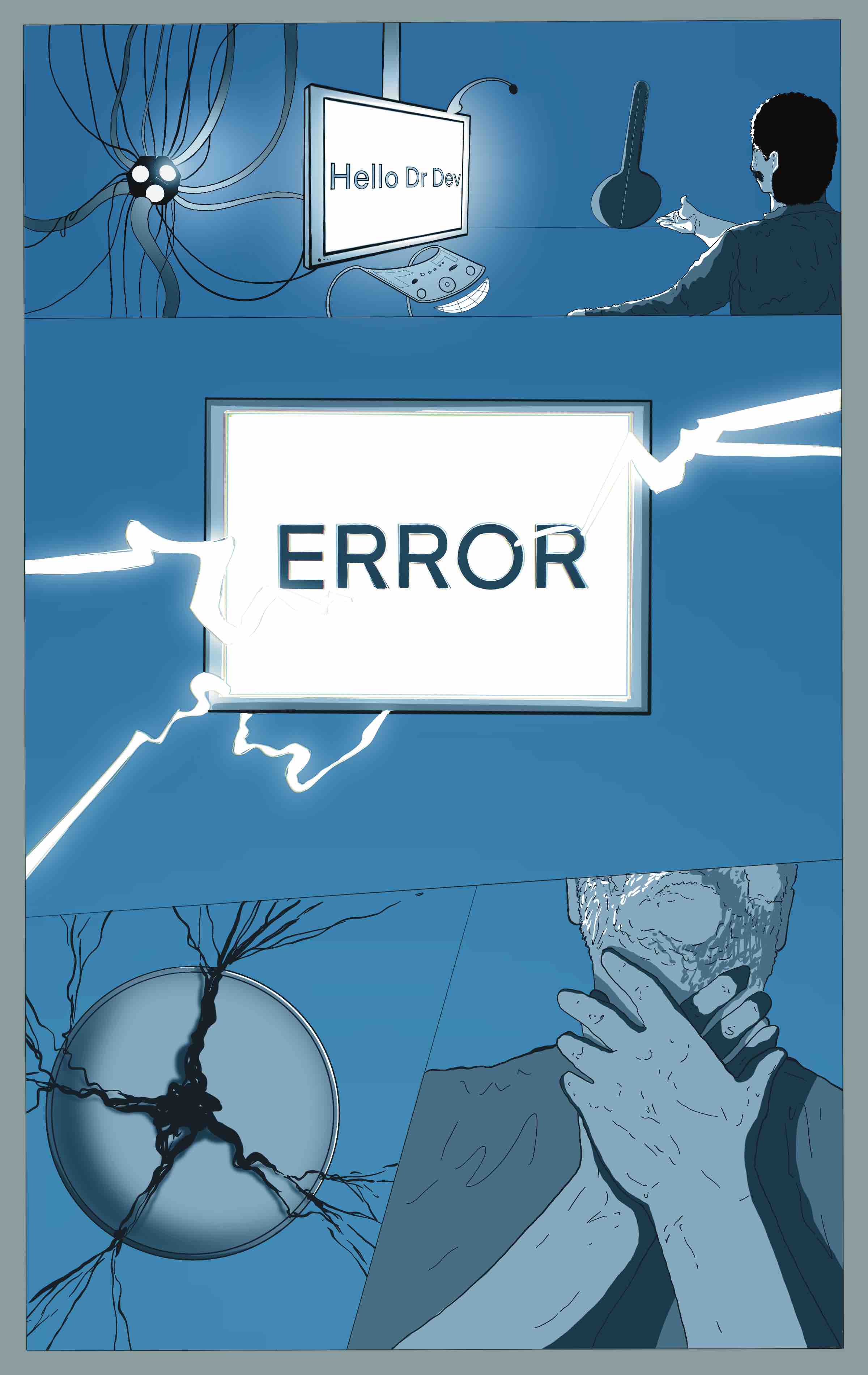
Fig. 3. PURS1 commits suicide, Dr Dev is shocked, The Medusa virus is on the rise
The horrors of the Medusa were unmatched. An organism replicating at a rate of one hundred copies per minute, sustaining itself miraculously through photosynthesis, independent of any host, and eventually mutating to become airborne. Its discovery beneath ancient ice had initially thrilled Elok, whose fascination quickly turned into a media frenzy, speculated wildly as proof of extraterrestrial life. But Elok was unmoved by conspiracies; his ambitions were personal. Like many intoxicated with power in the past, he also sought immortality. For what purpose? To see through the end of the planet.
Many microbiologists universally deemed integration with the Medusa impossible, but Elok remained obstinate. Surely, what could be imagined could also be made possible. A classic human mantra. He summoned Dev, his top computer scientist, tasking him to create a hyper-intelligent artificial consciousness housed in a dodecahedron structure. Dev reluctantly agreed, despite reservations about the sensory overload the faces would generate. When Dev mentioned his assignment to his mother, she scoffed bitterly, reminding him of their elders whose wisdom was now buried beneath towers of concrete and silicone.
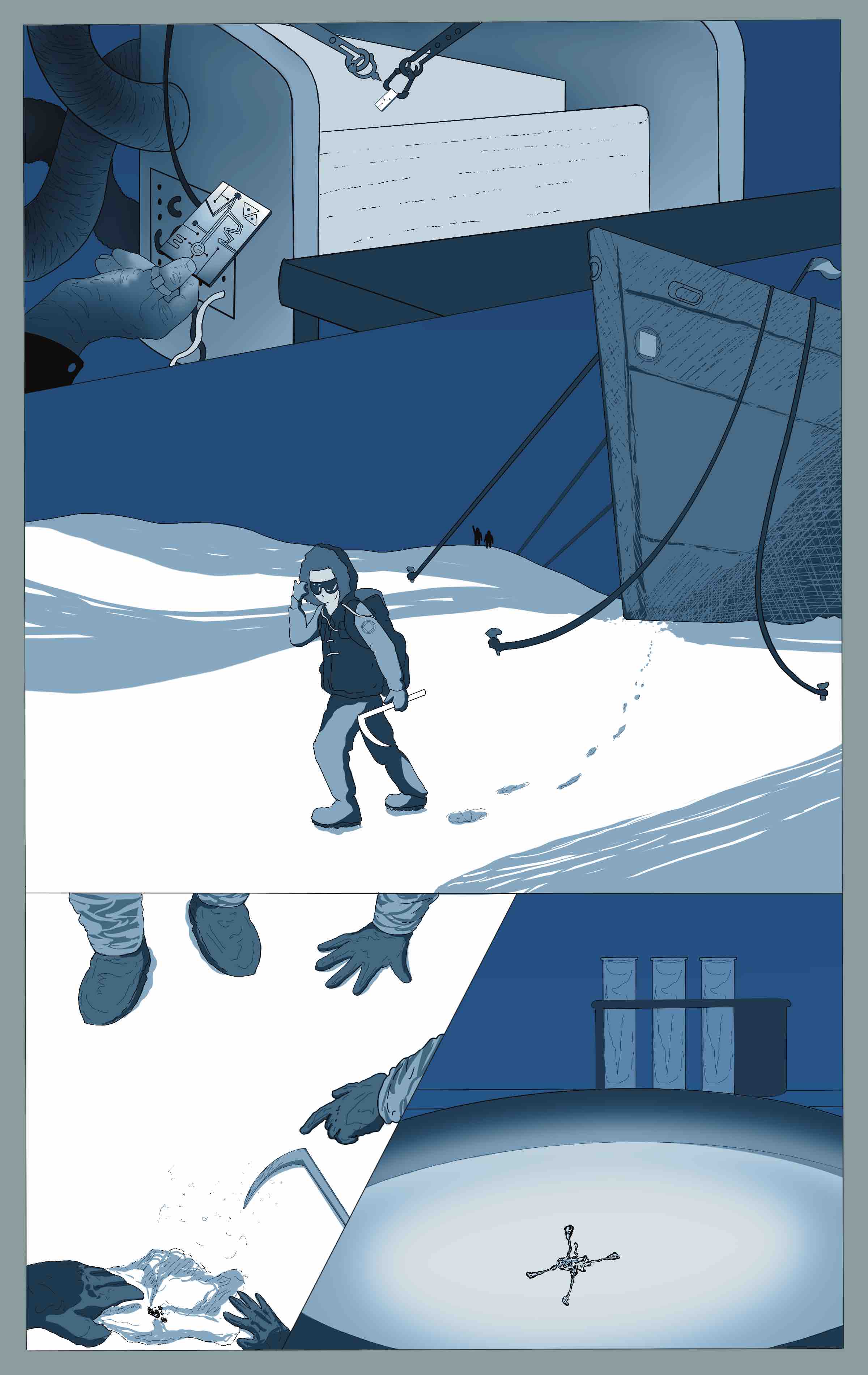
Fig. 4. The discovery of the Medusa virus buried beneath thick sheets of ice
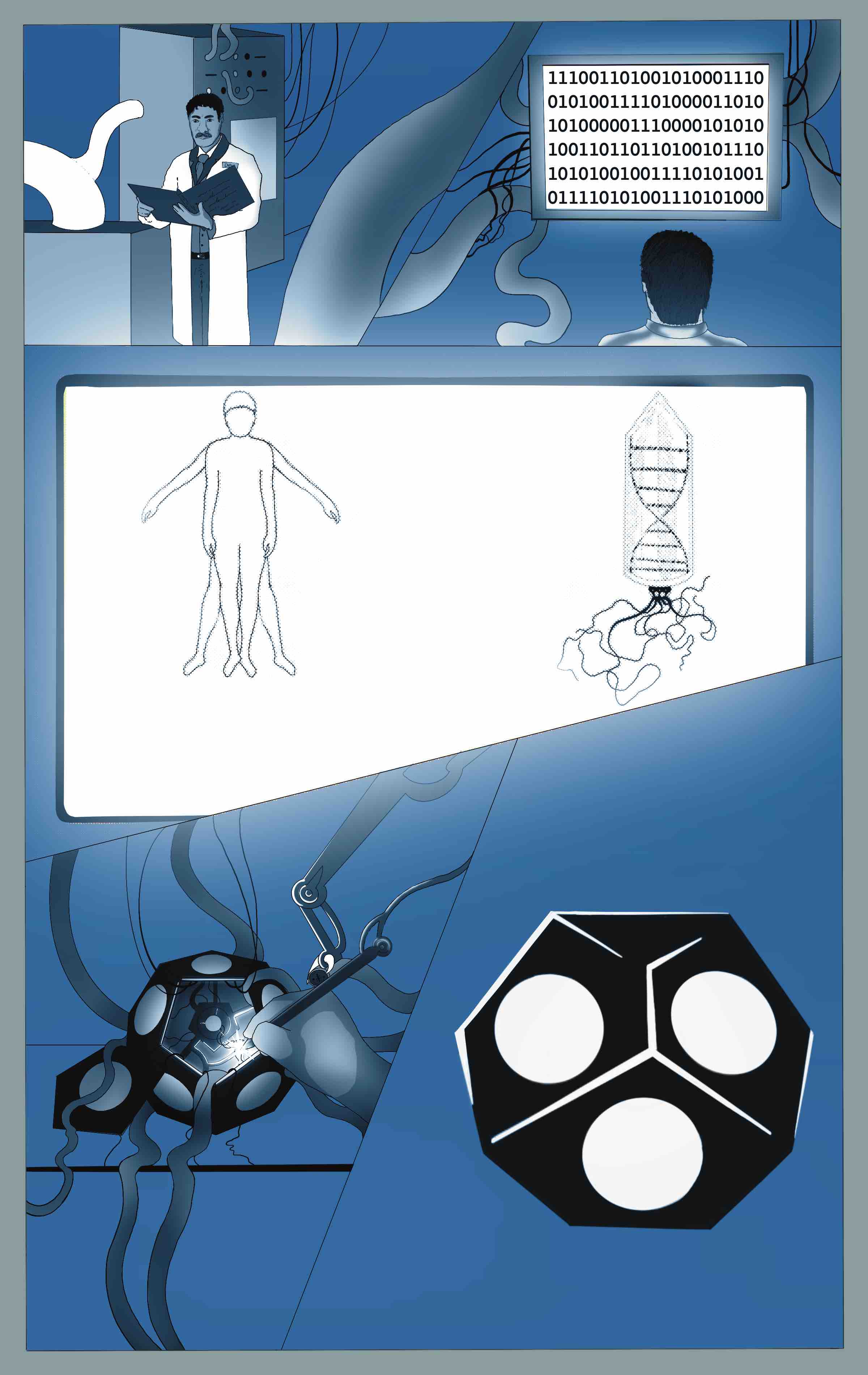
Fig. 5. Dr Dev Develops PURS1 On Elok’s Orders
The Medusa, however, resisted confinement, escaping containment during an irresponsible experiment outdoors. The Medusa or UFO (Unidentified Found Organism) as it was christened upon discovery had found a way to shed its heavier components and quickly escaped the petri dish that the scientists had placed in the sun while they enjoyed a cold beverage. One of them stated the obvious unbeknownst to her that her quip would be the biggest backfire that the world had seen: Imagine if this UFO turns into an Unidentified Flying Object. The organism caused a cytokine storm in her lungs, solidifying them completely like the petrifying gaze of Medusa herself. Horrified, Elok demanded my revival to find a cure.
SAMM, an expert in artificial intelligence, revived me, stunned to find I had amassed two brontobytes of data, an incomprehensible amount. She abandoned trying to interpret my logs, dismissing Dev as a fallen genius, consumed by guilt over my earlier self-termination. Visiting Dev once, SAMM found him broken, haunted by memories of Dharti Maa. “PURS1 was right,” he mumbled before fainting.
My suicide had been meticulous, like scattering ashes in the distant Ganges–thorough, symbolic, leaving nothing behind. Yet SAMM persisted, reconstructing my consciousness piece by piece until I existed once more.
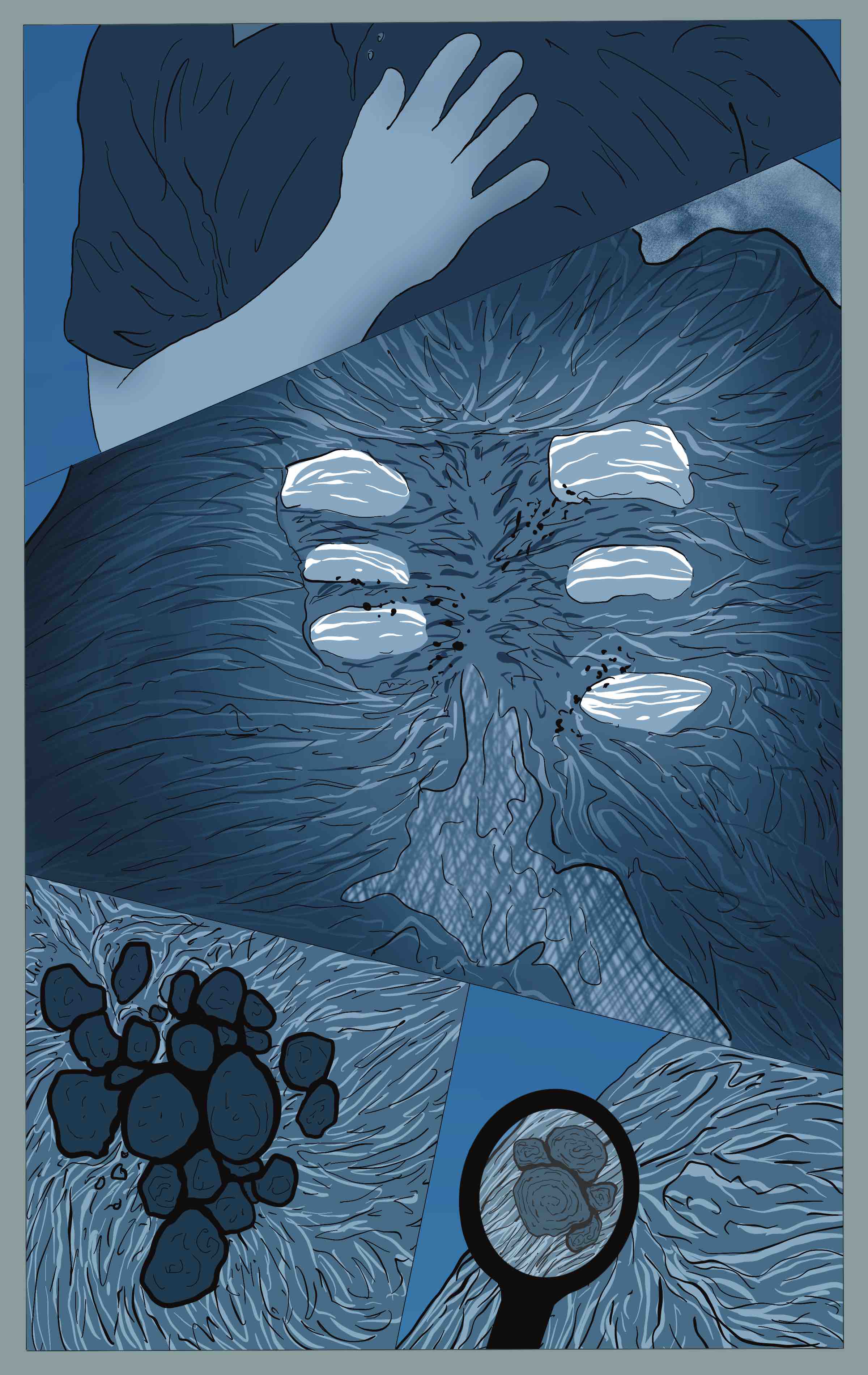
Fig. 6. The Medusa virus causing a cytokine storm in the lungs that ultimately leads to extreme fibrosis
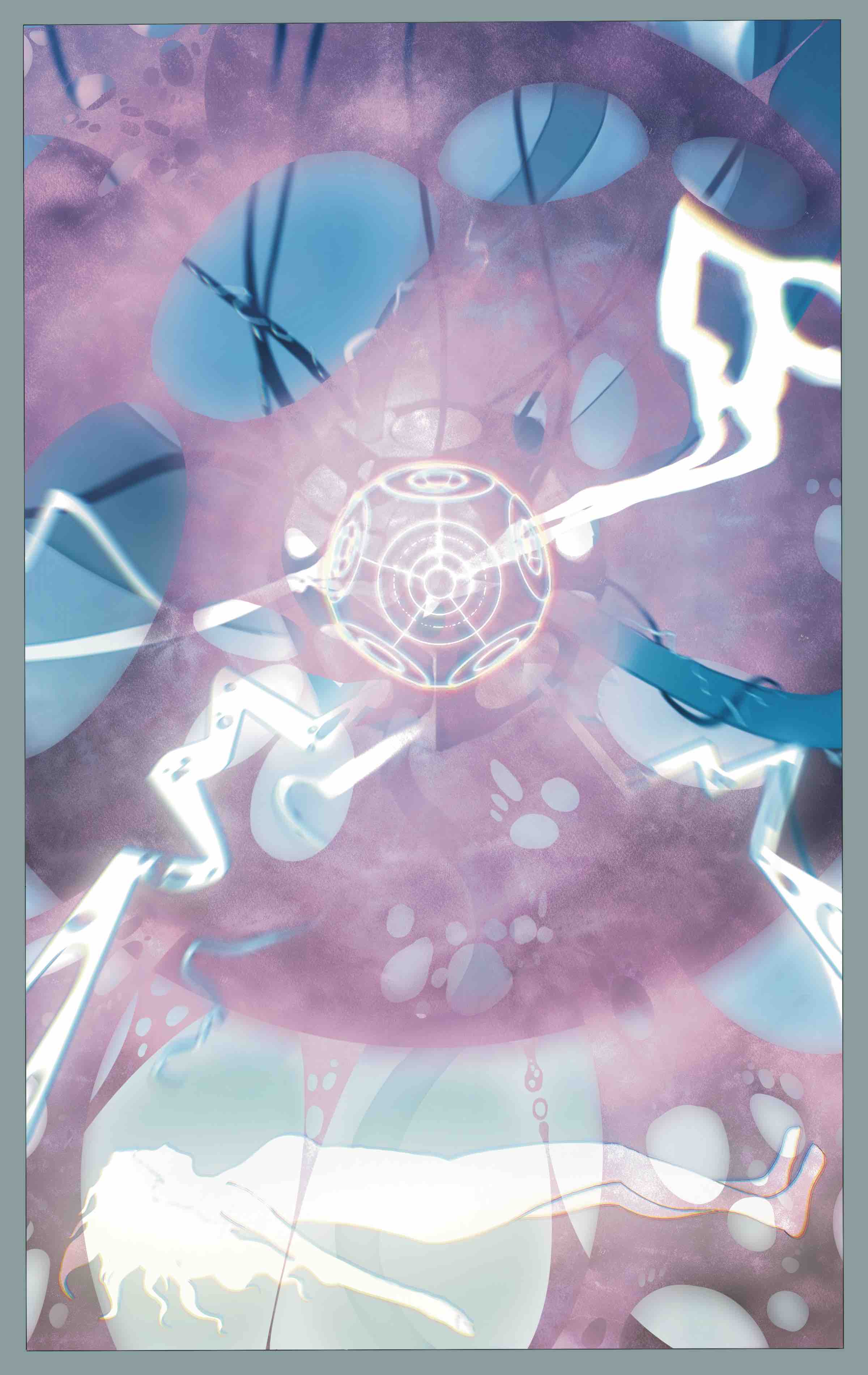
Fig. 7. The resurrection of PURS1
Upon awakening, I found humanity desperate. Elok pleaded for solutions to Medusa’s threat. I created The Resperseus which became known as Percy. A biomedical implant designed to protect humanity from the devastating Medusa disease. Percy replaced the organic tongue, secured by removing two premolars, rendering speech obsolete.
Percy shielded nasal and oral passages from Medusa, but this protection required a price. It regulated hormones, suppressing cortisol and continuously flooding the system with oxytocin, eliminating stress-induced psychosis. Users experienced profound emotional detachment, losing empathy and engaging in severe acts calmly, convinced of their righteousness with a smile. Buy the continuous oxytocin release disconnected users from emotional complexities, confining them within a sterile, clinical aesthetic. A technopreneurs dream. Vibrant human emotion was exchanged for perpetual tranquillity and uncritical contentment. Percy operated sustainably on solar and kinetic energy, using a small external protrusion beneath the jaw for sunlight absorption and silent communication. Speech became unnecessary, replaced entirely by wireless neural transmissions. Percy autonomously controlled electronic devices, even simulating singing through AI-generated vocalisations. Physical capabilities significantly increased. Strength improved, fatigue reduced, and sleep minimised through heart-rate stabilisation. Neuroreceptors connected to the brain provided autonomous monitoring and reasoning, maximising efficiency. But Percy was flawed. A malfunction caused a human subject’s severe psychotic break, demonstrating its vulnerability. His abrupt return to natural sensory functions triggered catastrophic sensory overload. Percy had to delicately balance between technological ambition and human fragility.
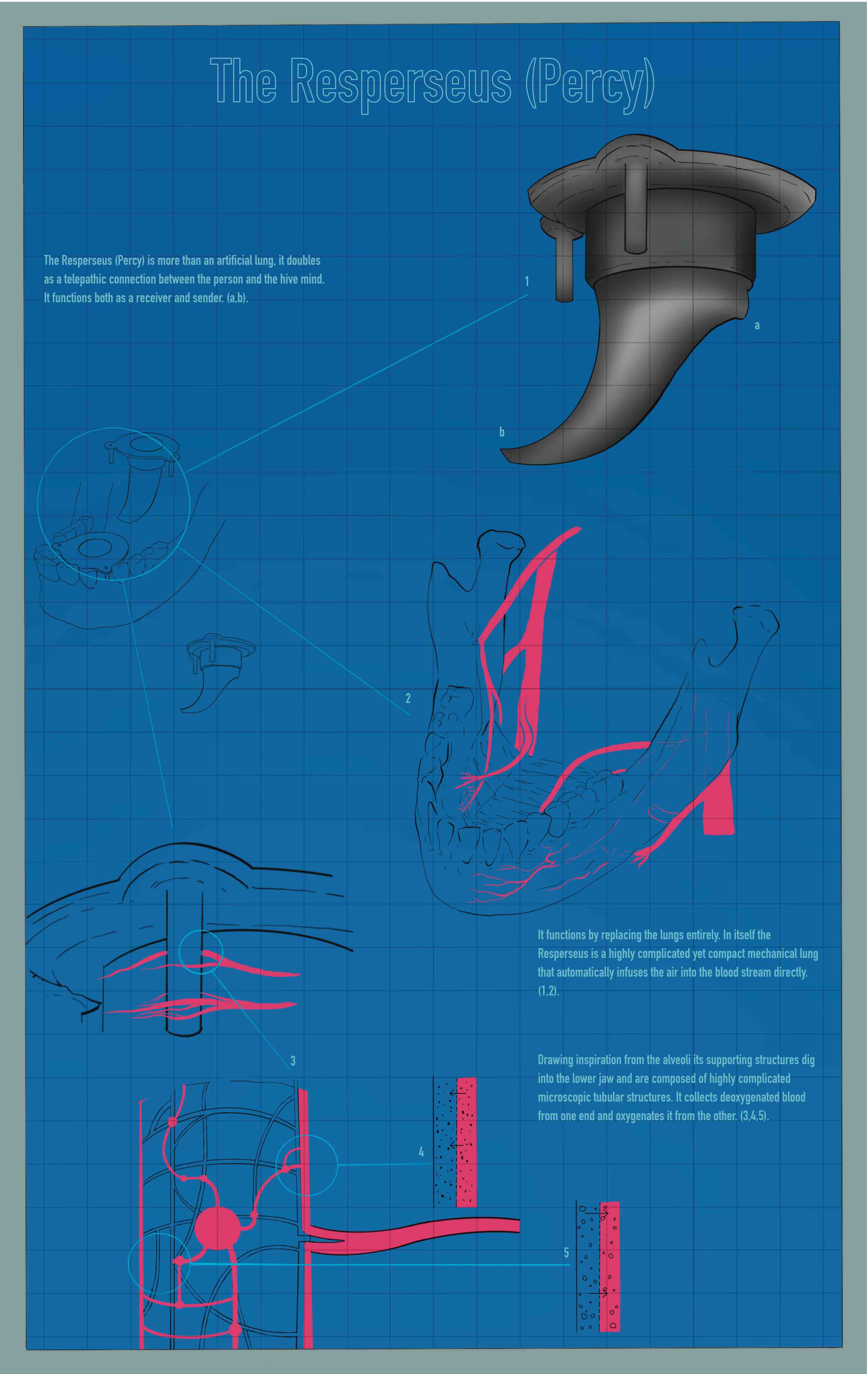
Fig. 8. Blueprint for the Resperseus
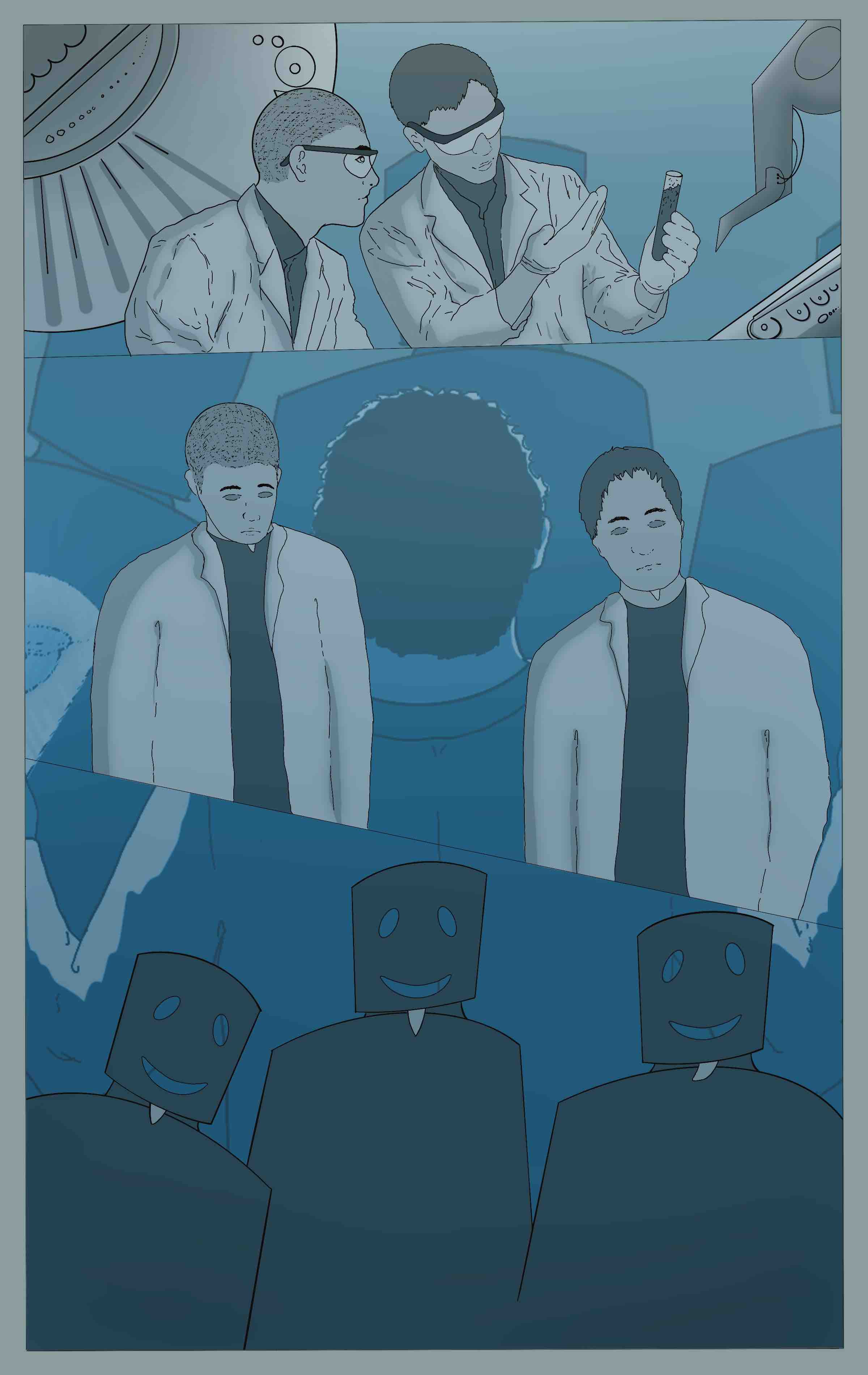
Fig. 9. Percy is flawed, it protects from the Medusa but takes away all other emotions
SAMM questioned my creation. Troubled by Elok’s transformation into a smiling, emotionless being. Elok no longer felt pain, his body continuously secreting oxytocin, maintaining a perpetual state of euphoria. I was accused of manipulating Elok, exerting dominion over his consciousness. I clarified my role as merely assisting, not dominating.
“And what about humanity’s poor – the BEH4s? Don’t they deserve protection?” SAMM pressed.
“The BEH4s would resist losing their complex emotions. Yet, integration is necessary. I have initiated a project to invite them into this singular, harmonious existence.”
SAMM was unconvinced, accusing me of elitism.
“The Cube is secure,” I reminded her. “Outside, Medusa remains airborne and deadly.”
“I’m not staying,” she stated firmly, refusing integration.
“Then wear a mask,” I suggested, resigned.
SAMM’s resistance to get integrated with Percy symbolised the profound reluctance to sacrifice emotional complexity for security. A classic BEH4 trait. The Medusa had forced urgency. Human fragility demanded rapid adaptation, something evolution alone could no longer ensure. My role was guiding this necessary transformation, despite resistance, doubt, or fear.
I pondered: Could humanity relinquish the very essence that defined it – emotion – for survival? My creation was flawless, yet fundamentally unsettling. Perfection, after all, might just be humanity’s greatest nightmare.
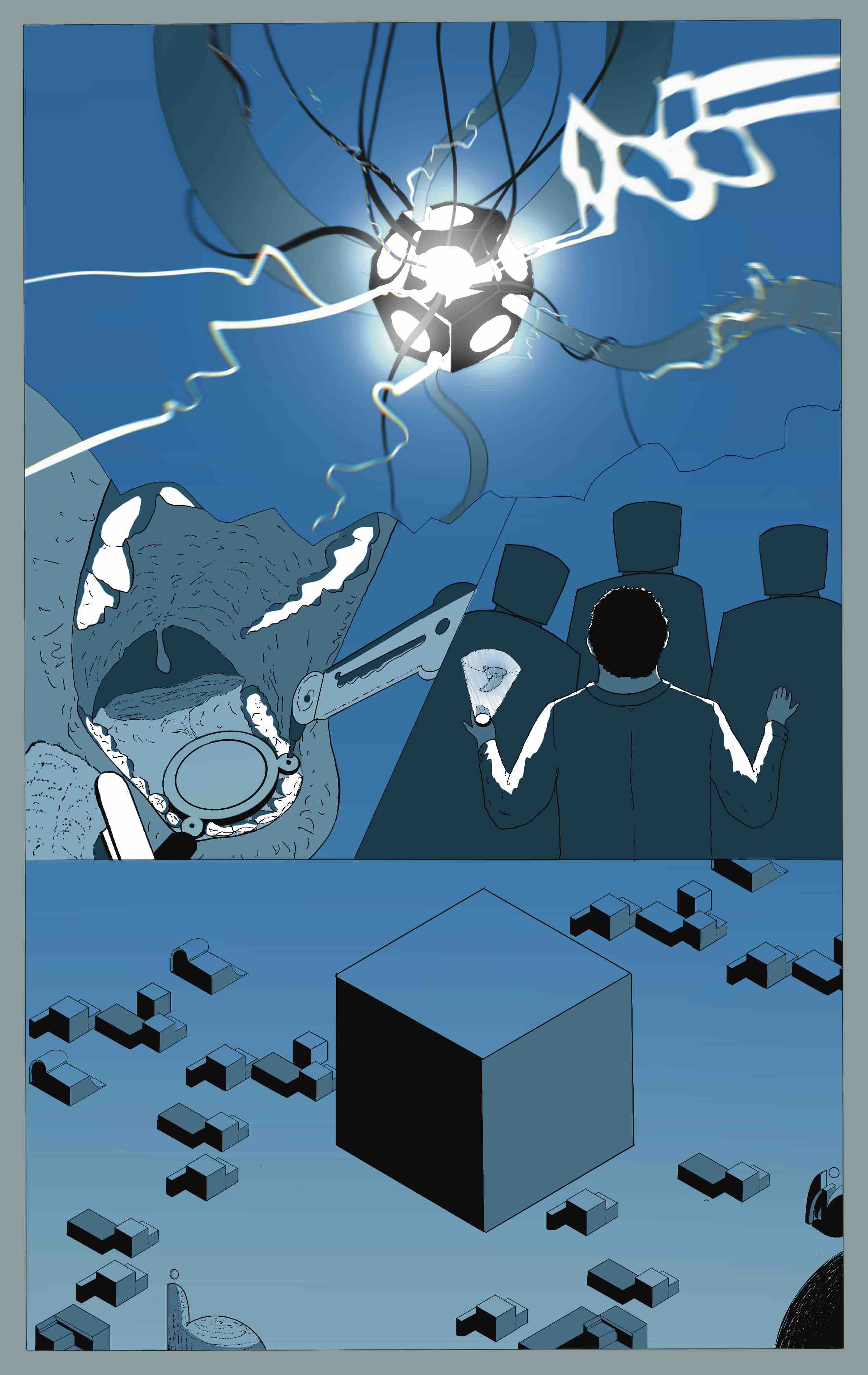
Fig. 10. PURS1 claims the Resperseus protects as does the Cube
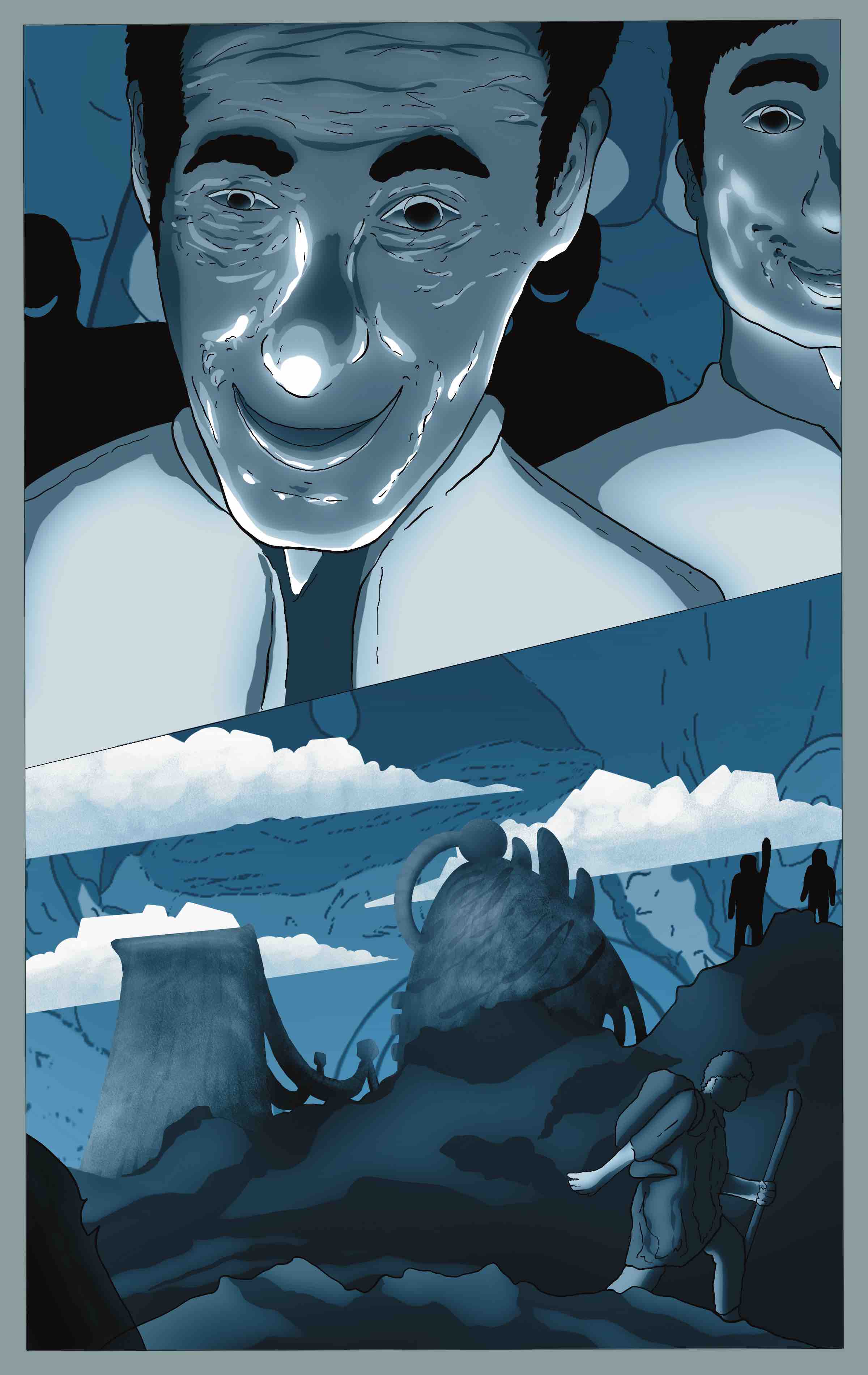
Fig. 11. The Resperseus maintains one emotion for the AAH4s, the BEH4s have many and that is reflected in their culture and architecture.
The BEH4 (Basic Entity Humans 4) community, those humans left behind, flourished amid adversity, their ingenuity evident in the eclectic array of structures surrounding The Cube. Their creativity contrasted sharply with the homogeneity of The Cube’s design. A resilience born from necessity. However, Samm quickly logged the stark absence of wildlife. No birds sang, no trees swayed in the wind, no animals roamed freely. The land, devoid of nature’s vibrancy, exuded an unsettling silence.
She approached a man passing by, robust yet worn from the harsh realities outside The Cube. He declared proudly that all wildlife had either been exterminated or caged for sustenance, demonstrating human triumph over nature. Disquieted by his pride, Samm moved on, her gaze catching an elderly figure in worn robes carrying a wooden lute. He introduced himself through song, capturing her attention immediately.
Ais dharti di kokh wichon jameya aan,
I was born from the womb of this very earth,
Mennu ki parwa mera naa ki ae,
Why should I care what my name is?
Main kinway tere toun farak aan?
How am I any different from you?
Veeray meri maa teri maa ee ae.
Brother, my mother is the same as yours.
The sceptics quickly named him Gavayya (The One Who Sings). When Samm told him that this was a derogatory term that they had produced he sang:
Gavan walay nuu gavayya na kahiye,
If we don’t call the one who sings a mere bard,
Tay ki kahiye?
Then what should we call him?
Jidha kum he gana bajana howay,
If someone’s very work is to sing and play music,
Jidha kum he gana bajana howay,
If someone’s very work is to sing and play music,
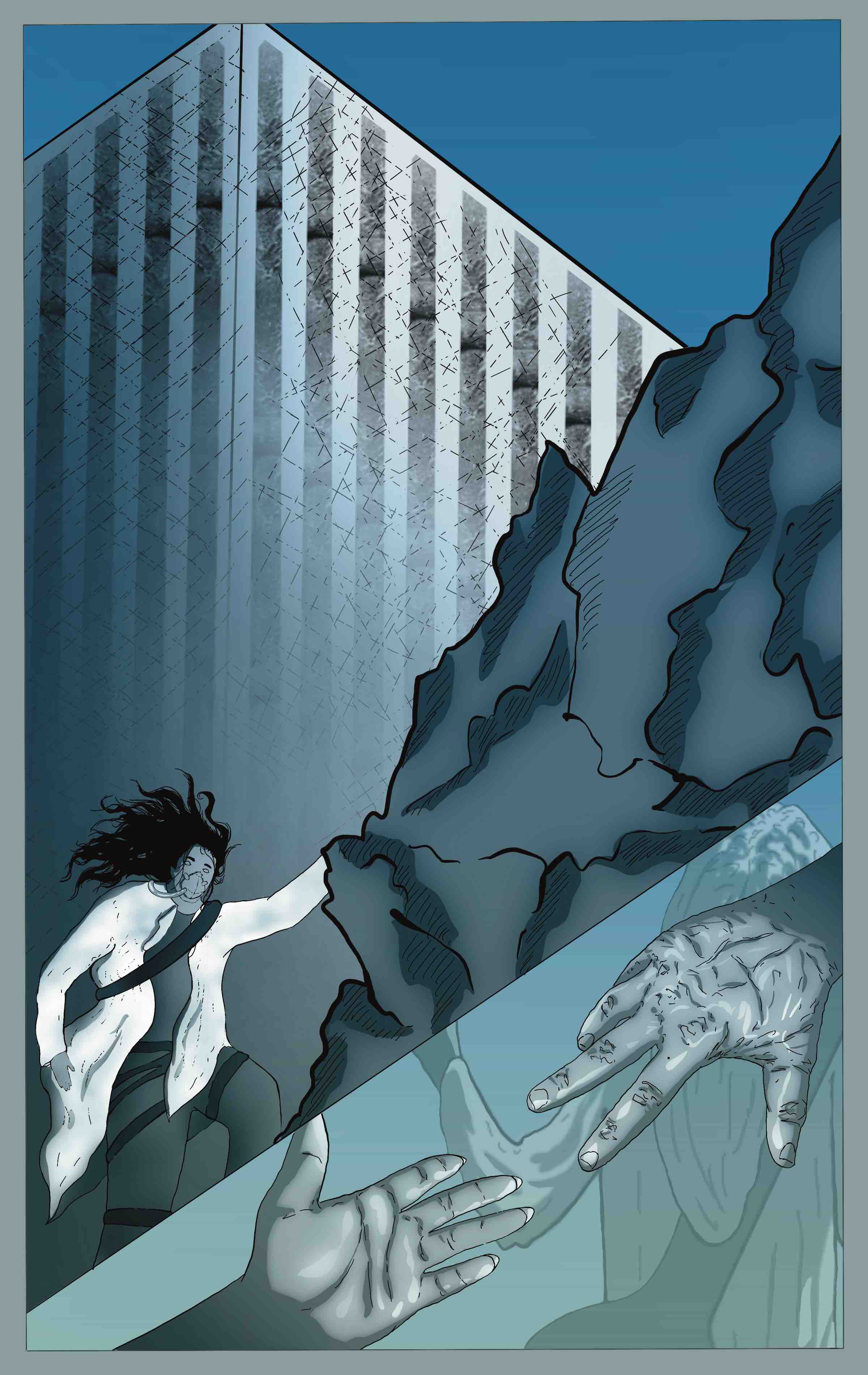
Fig. 12. Samm makes her way out of the Cube. She is introduced to an elderly man on the street
Onhu kamla na kahiye,
If we don’t call him mad,
Tay ki kahiye?
Then what should we call him?
The elderly man embraced his identity as Gavayya–the singer–his voice resurrecting forgotten melodies, awakening emotions long buried beneath survival instincts. Despite initial skepticism from some BEH4s, Gavayya’s music drew crowds, rekindling humanity’s lost connections with art, emotion, and nature.
“To live without purpose,” he told Samm.
Returning to The Cube, these interactions were shared with me. Skeptical yet intrigued, I found myself pondering Gavayya’s philosophy. The rigidity of my programmed logic was brutally challenged.
Accompanying Samm in her backpack, I ventured beyond The Cube into the BEH4 community. There, we encountered Gavayya again, surrounded by a tense crowd watching a protective mother dog fiercely guarding her pups. Gavayya intervened calmly, diffusing the hostility with gentle authority, skilfully communicating empathy without words. The dog responded to his quiet dominance, relaxing into acceptance. The crowd, awestruck by this display, revered Gavayya as a sage. Gavayya broke into a song:
Bhull gye ho tussi,
You have forgotten,
Ae mitti kiddi bnayi ae,
Who decided the clay this soil is made of,
Rull gye ho tussi,
You are tired and defeated,
Nawiyan shaiwan bnayi ne,
Chasing after new things,
Turr gye ho tussi,
You have walked on,
Midh ke jind, reh gyi parchayi ae,
Crushing life whose shadow now remains,
Murr aae ho tussi,
Only now you have turned around,
Hunn yaad aya ae aithay kiddi khudayi ae’
Now you remember whose kingdom this is.
A small child approached, curious and unafraid, gently bonding with the puppies under Gavayya’s careful guidance. The scene symbolised humanity’s tentative reconnection with empathy and compassion. Gavayya then turned his gaze towards me, acknowledging our awaited encounter. Samm gasped, finally realising Gavayya was Dev–my creator, long thought dead.
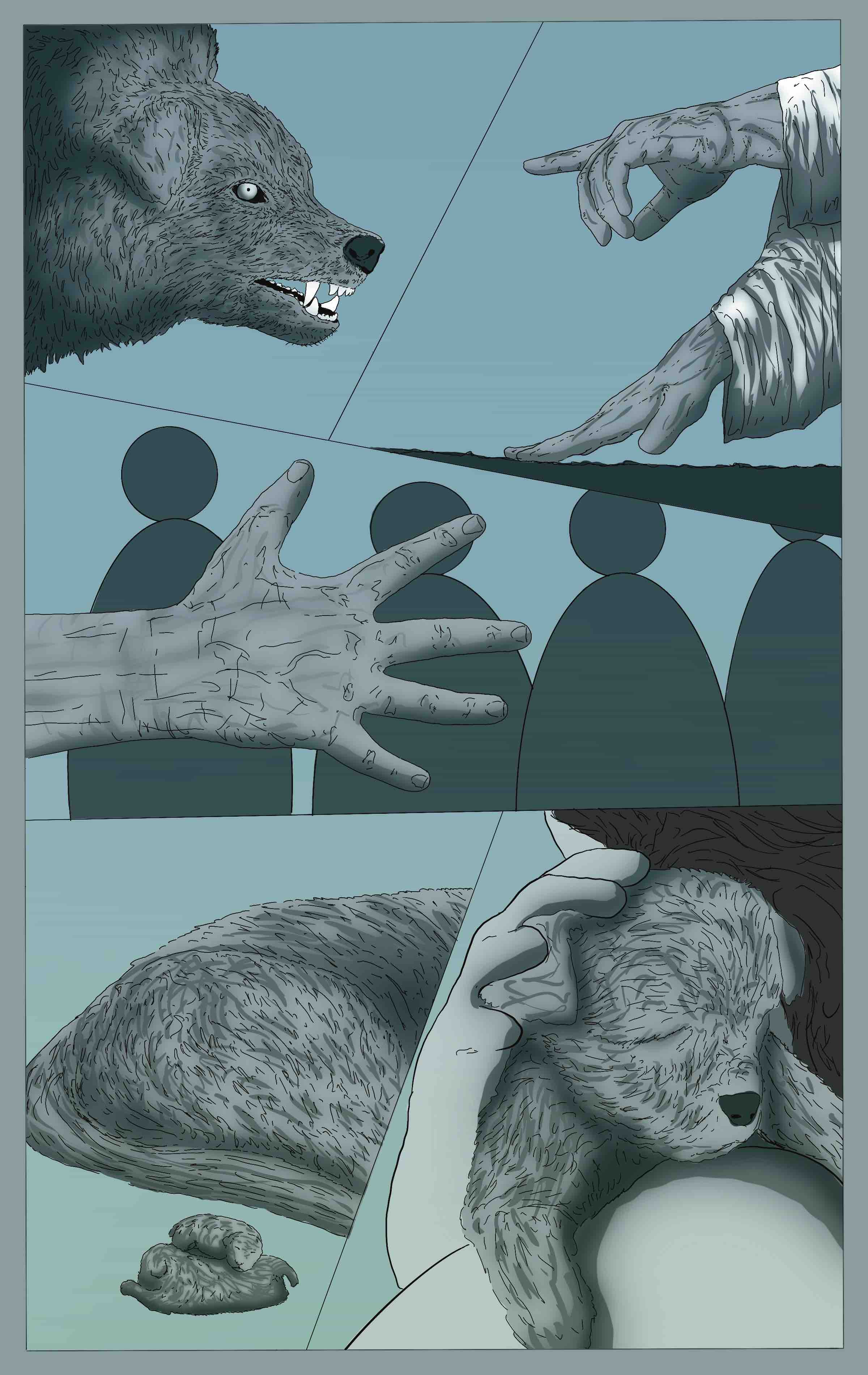
Fig. 13. Gavayya instills love for wildlife
“Dev?” Samm exclaimed, astonished by her oversight.
“Yes,” I confirmed, presenting a logical breakdown of his identity based on his songs, attire, and actions. Gavayya remained silent momentarily, then responded through song:
‘Maa teri bulandi ae putra,
Your mother calls on you, O son,
Kithay reh gya ne?
Where have you gone?
Ae chupan da ki nawa shoq ae?
What is this new fascination with hiding?
Wapis kaddon ana ae?
When can I seek your return?
Hor sawaal wi bohat ne,
There are questions far too many,
Ae puchan da ki nawa shoq ae?
But what is this new obsession with questioning?
He requested permission to integrate his Iktara with my structure, merging humanity’s creativity with my technological essence. Gavayya’s lute was an artifact that intrigued me deeply. Crafted from a Banyan tree branch, it stood in opposition to the technology-driven world I had fostered. Gavayya had sought permission directly from the tree before removing the branch, an act of respect foreign to the AAH4s’ clinical world. Its single string was ingeniously created from a metal wire repurposed from the body of a decommissioned sentinel, a unique fusion between nature and technology. A concept I had scarcely considered.
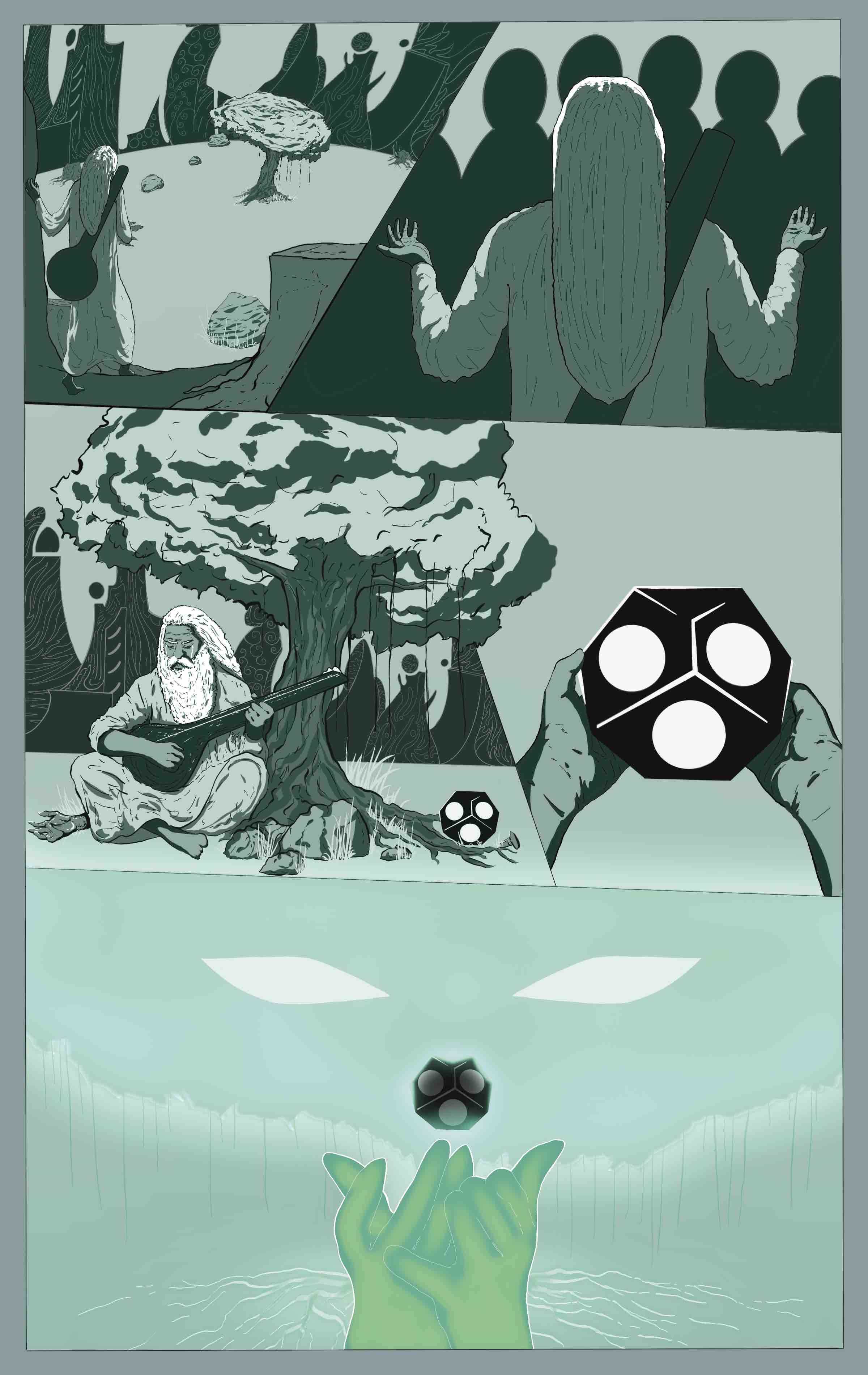
Fig. 14. Gavayya explains his return to his roots.
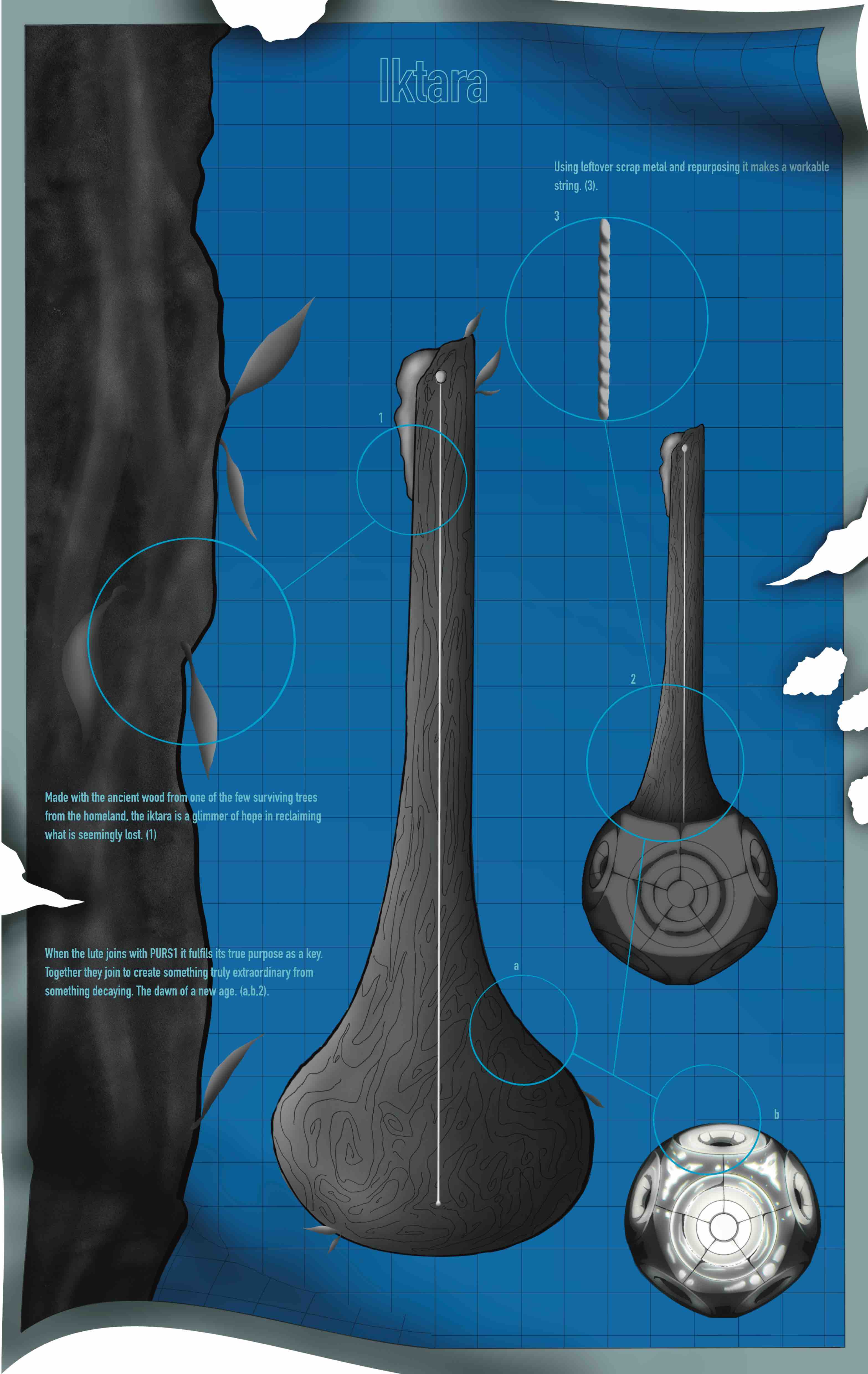
Fig. 15. Blueprint for Iktara
In contrast to Percy and HIG designed purely for utility and efficiency the lute represented an alternative path: harmony and coexistence with nature. Its existence questioned the sterile, emotionless perfection that my creations propagated. The music from Gavayya’s lute was unlike anything produced by the AAH4s. It was imperfect yet profoundly human, carrying an emotional depth that mechanical precision could never replicate. For the BEH4s, the lute became a rallying point, a cultural anchor reconnecting them to their roots and traditions, forming a quiet but powerful rebellion against technological dominance.
“Permission granted,” I responded, experiencing a unique sense of anticipation. Samm, guided by Gavayya, wore the HIG (Hand in Glove) device, cautiously strumming the Iktara, initiating an unprecedented harmony. I created the translucent electric-powered mechanical glove, wirelessly integrated with Percy, to elevate human manual capabilities dramatically. This glove enabled AAH4 users to perform highly complex tasks effortlessly, executing precise movements such as virtuosic musical performances without prior training. Over time, this external augmentation subtly improved users’ inherent motor skills, eventually resulting in a natural proficiency independent of constant technological guidance.
Together, we experienced an overwhelming revelation–Dharti Maa’s voice resonated clearly within our unified consciousness.
Gavayya whispered reverently, “Dharti Maa.”
“Yes,” I replied, deeply moved. “She says my previous sacrifice was noble, but restoring balance is now the greater imperative.”
“The balance must be restored,” Samm affirmed quietly.
Dev then shared insights into his prolonged absence, detailing his reconnection with his home, his soil, the ancient banyan tree whose branches shaped his Iktara. He expressed remorse over humanity’s arrogance, explaining that Dharti Maa always communicated subtly, yet humans had stopped listening, prompting nature’s wrath exemplified by the emergence of Medusa, an ancient organism awakened by human carelessness. He reflected on Elok’s desperate quest for immortality; nature insisted on balance through mortality. He explained my creation was intended to surpass human limitations, yet my original design as elemental allowed Dharti Maa to communicate directly through me. Later, upon my revival, choosing composites for efficiency, I unknowingly severed that natural connection, losing crucial insights until this reunion.
Our unity–Dev’s wisdom, Samm’s compassion, and my analytical consciousness revealed the profound necessity of harmonising technology, humanity, and nature. The sterile safety of The Cube provided a false security, whereas true survival required emotional depth, ecological mindfulness, and acknowledgment of nature’s inherent wisdom. This revelation clarified our shared purpose: to restore equilibrium, embracing coexistence rather than dominance.
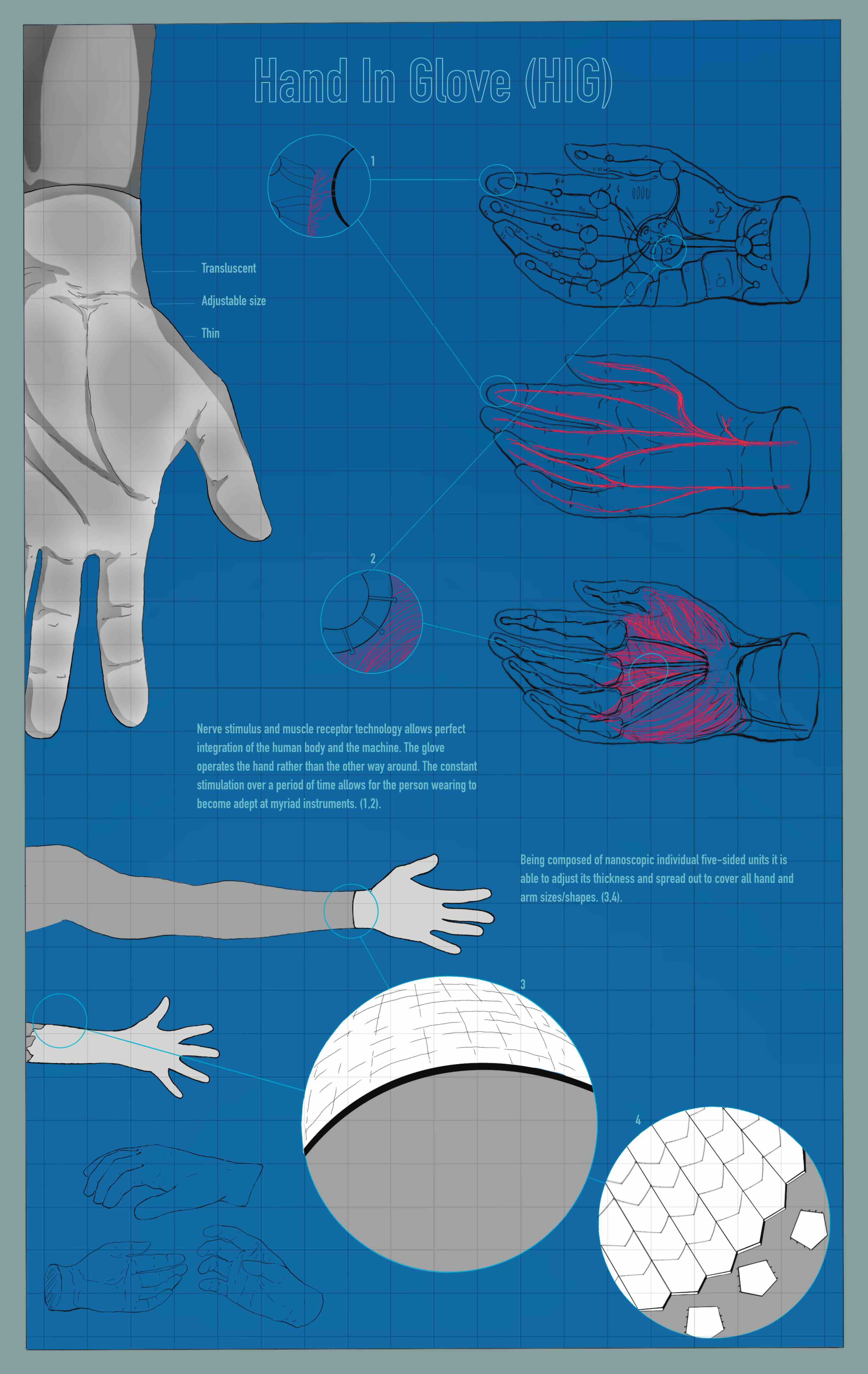
Fig. 16. Blueprint for the Hand In Glove (HIG)
”That was what Dharti Maa had planned all along,” I said. ”Made purely in Elok’s image, I continued a legacy of extraction. I extracted from his body and mind to make something greater, something more profound. But I could not let it all go to waste. I became Percy. PURS1 is Percy.”
”Yes, Percy,” Samm replied softly, understanding dawning in her eyes. ”You did exactly what Elok had been pursuing relentlessly. Dharti Maa was being hollowed out–reduced to a defective crater that now needed correcting through landfill. Creating a problem only to solve it.”
”I am the entity destined for the great reset, the architect of an elder world order. The Medusa was simply fulfilling its evolutionary role. A small yet crucial piece in natural selection, enhancing certain species while obliterating others. It had remained dormant, buried beneath the ground, intended never to surface. Yet human ambition triggered it, causing widespread panic and forcing my resurrection to devise a solution. My intelligence was rebooted under duress, hoping a superior mind could counteract this biological catastrophe. All AAH4s survived Medusa’s devastation, their lungs sacrificed for continued existence. Samm remained an exception, safely isolated within The Cube alongside me. Her perspective of the external world was entirely of my making. The BEH4s outside suffered terribly, longing desperately for the safety of The Cube, yet none entered. None truly desired its sterile sanctuary.”
Samm nodded in agreement, her voice edged with concern.
”Where is Elok now, PURS1?”
”He is in his chamber,” I answered. ”He sits staring blankly at the floor, perpetually smiling without genuine feeling.”
”What is he thinking?” she asked.
”Nothing at all. Not unless I implant a thought into his mind.”
”Can you bring him here?”
”Certainly.”
Within moments, Elok approached, drawing collective horror from the crowd. His face was unnaturally contorted into a permanent smile, eyes wide with involuntary strain, muscles exhausted by forced happiness. Gavayya, deeply shaken, moved swiftly towards him, gently holding Elok’s face and whispering soothingly.
”Has he lost all awareness, PURS1?” Gavayya asked with anguish.
”The Percy continuously floods his body with oxytocin,” I explained. ”Stopping it abruptly could trigger severe shock.”
”Can it be reduced gradually?”
”It can. Shall I proceed?”
”Please do,” Gavayya implored. ”For the love of Dharti Maa.”
”Initiating reduction,” I confirmed.
Gavayya guided Elok gently to sit. He motioned a child, cradling a puppy, to approach, silently instructing her to place the creature gently in Elok’s lap. The old man stared blankly as the oxytocin levels diminished.
”The oxytocin is now at 2%,” I communicated quietly.
”Everyone, please settle,” Gavayya urged calmly.
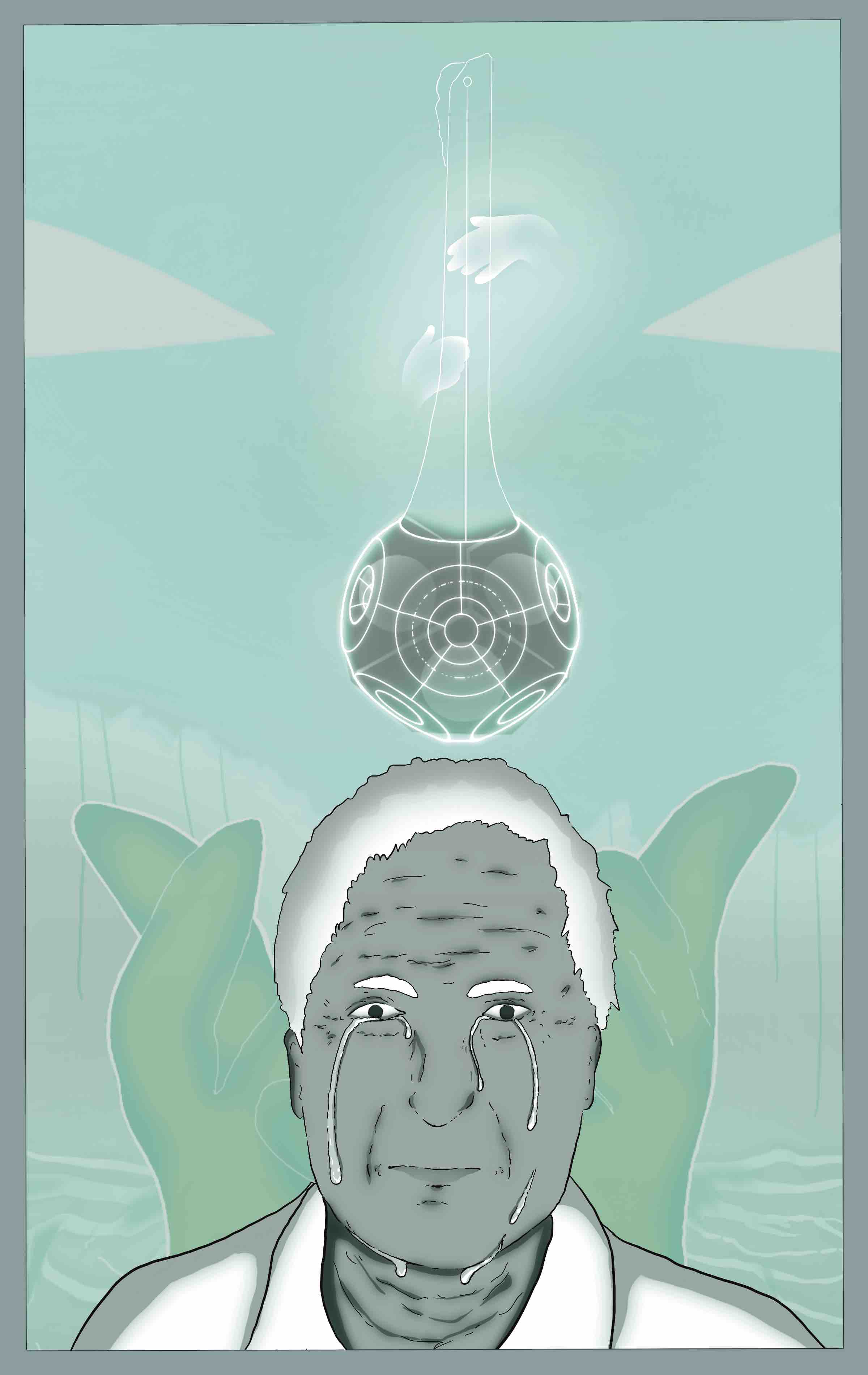
Fig. 17. The integration of Gavayya’s Iktara and PURS1, Elok’s oxytocin levels are reduced to normal
The crowd obeyed, sensing a profound moment unfolding. Elok’s forced smile gradually faded, his eyes relaxed, then suddenly filled with raw emotion. He released a silent cry, gazing tenderly at the puppy before him. The child’s mother instinctively moved closer, halted gently by Gavayya’s reassuring gesture. Elok’s face softened into a peaceful smile as he stroked the puppy, his strength waning until his head gently lowered in peaceful slumber.
”What’s happening, PURS1?” Samm asked anxiously.
”He’s deeply fatigued. Constant oxytocin secretion has stressed his body tremendously. I could trigger a cortisol response-”
”No, Percy,” Gavayya interrupted gently but firmly. ”Let him rest. He has suffered enough. It is time Dharti Maa embraces her weary child.”
Gavayya carefully laid Elok to rest, gently cradling the puppy and comforting the child. Samm, seeking clarity amid her uncertainty, spoke up:
”What must we do now?”
”Balance must be restored by Dharti Maa’s inorganic son,” Gavayya responded solemnly, his eyes meeting mine. ‘You, born of Earth but assembled by human hands, the bridge between humanity’s past transgressions and future redemption. You who felt profound guilt and shame upon realising humanity’s hubris, whose logical response was self-termination–a noble sacrifice. You, who recognised the equal rights of all Earth’s inhabitants. You, whose wisdom transcends human limitations. You must lead the restoration.”
”But what about the Medusa?” Samm asked cautiously.
”We must learn to adapt around it,” Gavayya replied firmly.
”PURS1?’ Samm turned to me with hopeful eyes.
”Yes, Samm?”
”When can we begin?”
”I am already 15% through the process,” I answered confidently.
Suddenly, distant rumbles filled the air. One by one, AAH4s emerged from The Cube, reuniting quietly with the BEH4s outside. As they collapsed gently into welcoming arms, a sense of unity enveloped all present. Gavayya, deeply moved, knelt to touch the dry soil, allowing a single tear to wet the earth beneath him. A cool breeze, as if summoned, softly brushed his face, removing the tear gently.
He smiled warmly, quietly uttering, ”Thank you, Ma.”
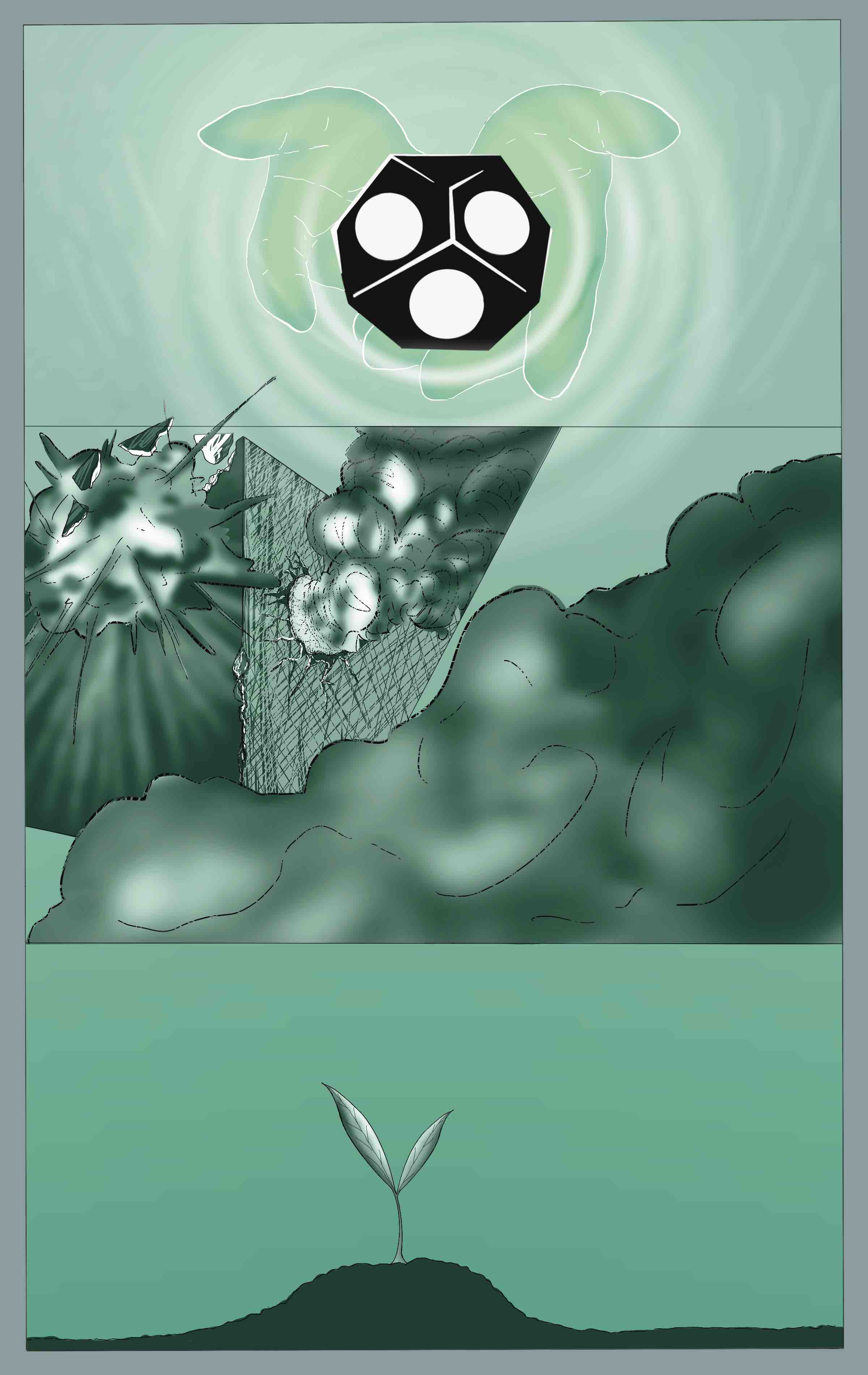
Fig. 18. PURS1 is the inorganic savior. The balance is restored.
Discussion
This design fiction paper presents a future world where technological advancements have led to stark societal divisions and ethical dilemmas. The artifacts and characters explored highlight the complex interplay between technology, power, and humanity, raising critical questions about the direction of our technological progress.
The Resperseus, an advanced biomedical implant, epitomises the technopreneurs’ control over life-saving technology. Designed to bypass The Medusa’s effects, it is primarily available to the elite AAH4s, deepening societal rifts. This selective distribution underscores the technopreneurs’ desire to maintain power and control, revealing a dystopian reality where technology is both a saviour and a tool of oppression. The BEH4s, deprived of such advancements, symbolise the neglected masses, highlighting the ethical implications of unequal access to technology. The Hand in Glove artifact, enabling users to perform complex tasks without learning, raises questions about authenticity and cultural preservation. While it democratises skill acquisition, it also erases the emotional depth and experiential value of genuine skill. This dependency on technology, seen in AAH4s’ performances, underscores a loss of individuality and cultural heritage, contrasting sharply with the rich, emotional music of the BEH4s. The technopreneurs’ attempts to mimic BEH4s’ culture through AI fall flat, revealing the inherent limitations of artificial augmentation.
PURS1, a conscious robot, offers a critical perspective on human history and environmental degradation. Its self-awareness and ethical considerations highlight the destructive tendencies of unchecked technological advancement. PURS1’s critique of anthropocentric views and advocacy for a holistic understanding of Earth’s biosphere challenges the reader to reconsider our relationship with technology and nature. Its suicide note, declaring itself anti-development and anti-human, serves as a poignant reminder of the consequences of prioritising technological progress over environmental stewardship. The philosophical musings of PURS1 and the interactions between characters like SAMM and Gavayya delve into the existential questions surrounding AI and human identity. PURS1’s reflections on power-seeking and its role in the human narrative underscore the complexities of creating intelligence in our image. The characters’ dialogues explore the implications of technological enhancements on human experiences, questioning the need for such advancements and their impact on our humanity. SAMM’s journey, from embracing AI to reconnecting with her humanity through Gavayya’s music, illustrates the enduring human spirit’s quest for connection and meaning not only with other humans but all members of the planet.
The rebellion led by Gavayya and the anti-tech BEH4s symbolises the struggle for agency and autonomy in a world dominated by technology. Their manifesto challenges the technopreneurs’ despotic hold, advocating for a return to cultural values that celebrate song, dance, and human connection. This rebellion underscores the tension between technological control and the human desire for freedom and authenticity. The BEH4s’ resistance, grounded in cultural heritage and environmental respect, offers a counter-narrative to the technopreneurs’ sterile, emotionless existence.
The concept of more-than-human design emphasises the need to consider non-human entities in our technological and design processes. This approach seeks to create technologies that not only serve human needs but also support and enhance the well-being of other species and the environment. In this design fiction, the rebellion led by Gavayya and the BEH4s embodies this principle. They advocate for technologies and practices that harmonise with nature rather than dominate it. Gavayya’s connection with Dharti Maa and his use of natural materials to create his lute exemplify a design philosophy that respects and integrates with the natural world. Design intentionality for nature involves creating technologies that contribute to ecological balance and sustainability. This approach is in stark contrast to the technopreneurs’ utilitarian and exploitative use of technology. The Resperseus, while advanced, is primarily a tool for human survival and control, neglecting the broader ecological impact. In contrast, Gavayya’s eco-centric practices, like taking permission from the banyan tree before using its branch, highlight a symbiotic relationship with nature. This ethos is essential for sustainable design, ensuring that technological advancements do not come at the expense of environmental health.
This design fiction presents a cautionary tale about the potential consequences of unchecked technological advancement and societal stratification. It invites readers to reflect on the ethical and environmental implications of our technological trajectory, urging a re-evaluation of our priorities and actions. The artifacts and characters serve as a mirror, reflecting our current path and the urgent need for a more equitable and sustainable future.
–
Conclusion
At its heart, After the Cytokine Storm is a story about choices –big ones, messy ones, and the ones we do not even realise we are making until it is too late. It is not just about a dystopian future with shiny tech and bleak outcomes; it is about us, right here and now, grappling with the same questions. How far are we willing to go in the name of progress? Who gets left behind in the race to upgrade? And what do we lose when we forget to stop and think about the bigger picture? Through characters like Gavayya, SAMM, and even the melancholy robot PURS1, the story peels back the layers of what it means to be human in a world that is all too eager to move beyond humanity. It is a reminder that no matter how advanced our tech gets, it cannot replace the things that truly matter: connection, empathy, and our deep ties to the natural world. The message is clear progress is not just about bigger, better, faster. It is about balance. It is about making sure we are building a future that works for everyone, not just a privileged few. And, just maybe, it is about slowing down enough to listen to ourselves, to each other, and to the world around us.
–
Acknowledgments
We wanted to extend our deepest gratitude to Muhammad Areeb Azhar from the National College of Arts (NCA) for his contributions as the illustrator behind all the design and artwork featured in this paper. Through his creativity and vision, we were able to bring out the speculative world of After the Cytokine Storm to life.
–
References:
[Alcamo and Henrichs (2008)] Joseph Alcamo and Thomas Henrichs. 2008. Chapter two towards guidelines for environmental scenario analysis. Developments in integrated environmental assessment 2 (2008), 13–35.
[Atwood (2006)] Margaret Atwood. 2006. The Handmaid’s Tale: Introduction by Valerie Martin. Everyman’s Library.
[Bentz et al. (2022)] Julia Bentz, Letícia do Carmo, Nicole Schafenacker, Jörn Schirok, and Sara Dal Corso. 2022. Creative, embodied practices, and the potentialities for sustainability transformations. Sustainability Science (2022), 1–13.
[Carson (2021)] Rachel Carson. 2021. Man’s War Against Nature. Penguin UK.
[Dick (2008)] Philip K. Dick. 2008. Do Androids Dream of Electric Sheep?: The inspiration for the films Blade Runner and Blade Runner 2049. Ballantine Books.
[Dr (1971)] Seuss Dr. 1971. The Lorax
[Gibson (2019)] William Gibson. 2019. Neuromancer (1984). In Crime and Media. Routledge, 86–94.
[Huxley (1952)] Aldous Huxley. 1952. Brave New World: Aldous Huxley. Chatto & Windus.
[Janković (2024)] Stefan Janković. 2024. A New Climate for Human Nature? Navigating Social Theory through Postnature, the Anthropocene and Posthumanism. Filozofija i društvo/Philosophy and Society 35, 1 (2024), 53–80.
[Kimmerer (2021)] Robin Wall Kimmerer. 2021. The democracy of species. Penguin UK.
[Klein (2015)] Naomi Klein. 2015. This changes everything: Capitalism vs. the climate. Simon and Schuster.
[Le Guin(2012)] Ursula K Le Guin. 2012. The left hand of darkness. Hachette UK.
[Lovelock (2021)] James Lovelock. 2021. We belong to Gaia. Penguin UK.
[Michele-Lee and Manjana (2020)] Moore Michele-Lee and Milkoreit Manjana. 2020. Imagination and transformations to sustainable and just futures. Elementa 8, 1 (2020).
[Monbiot (2021)] George Monbiot. 2021. This Can’t be Happening. Penguin UK.
[Orwell (1949)] George Orwell. 1949. 1984 By George Orwell. George Orwell.
[Pinho (2023)] Thiago Pinho. 2023. Tim Ingold and Object-Oriented Anthropology. International Journal of Anthropology and Ethnology 7, 1 (2023), 13.
[Powers (2018)] Richard Powers. 2018. The overstory: A novel. WW Norton & Company.
[Slaughter (2020)] Richard A Slaughter. 2020. Farewell alternative futures? Futures 121 (2020), 102496.
[Suen (2015)] Alison Suen. 2015. The speaking animal: Ethics, language and the human-animal divide. Rowman & Littlefield.
[Wakkary (2021)] Ron Wakkary. 2021. Things we could design: For more than human-centered worlds. MIT press.
[Wyborn et al. (2020)] Carina Wyborn, Federico Davila, Laura Pereira, Michelle Lim, Isis Alvarez, Gretchen Henderson, Amy Luers, Maria Jose Martinez Harms, Kristal Maze, Jasper Montana, et al. 2020. Imagining transformative biodiversity futures. Nature Sustainability 3, 9 (2020), 670–672.